

[show]
[ hide ]
As electric mobility develops, commercial property owners are exploring how charging facilities can serve drivers and complement their existing businesses. For fuel stations, parking facilities, and commercial properties, DC EV chargers bring together equipment selection, site planning, customer service, and ongoing operations.
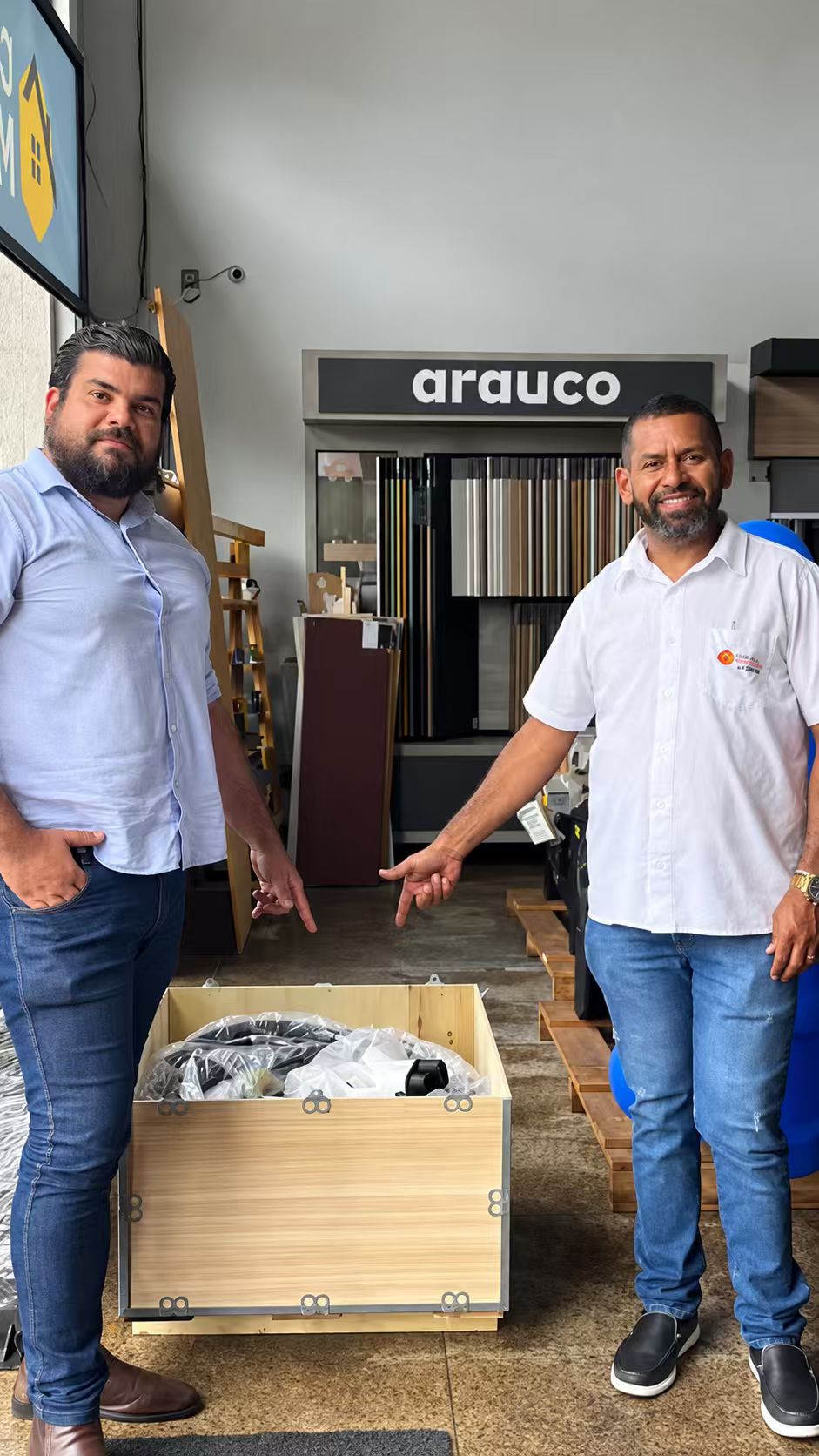
In a recent business update, EnertechMOBI identified commercial establishments, fuel stations, parking facilities, and investors as potential participants in the charging sector. Its approach combines equipment supply, project deployment, and operational support, highlighting the importance of planning a charging business beyond the initial hardware purchase.
For companies evaluating commercial EV charging solutions in Brazil, this approach offers a useful starting point: charging equipment should be selected as part of a broader installation and operating plan.
Different commercial locations serve different charging needs.
At retail and restaurant locations, drivers may charge while shopping or dining. In parking facilities and office properties, charging services need to work alongside parking management, user access, and the building’s electrical capacity. Fuel stations must also consider vehicle circulation, parking arrangements, and the space available for charging equipment.
An effective EV charging infrastructure plan begins with understanding these conditions. The expected vehicle mix, typical parking duration, available electrical supply, and intended service capacity all influence equipment selection.
Defining these requirements early helps equipment manufacturers, installers, and operators work toward a consistent project specification.
PENODA’s Smart Commercial DC Charger series includes 20kW, 30kW, and 40kW output options, giving commercial buyers configurations to evaluate against their site requirements.
The product page lists OCPP 1.6J communication alongside Wi-Fi, 4G, and Ethernet connectivity. Buyers can discuss these options in relation to their charging management platform and the network conditions at the installation location.
For a commercial project, charger output should align with parking duration, vehicle requirements, and available electrical capacity. The selected configuration should also account for connector compatibility, mounting arrangements, communications, and software requirements.
Choosing a DC EV charger around a defined application helps establish a clearer equipment specification and installation scope.
After equipment delivery, a charging project still requires installation, commissioning, platform configuration, and maintenance arrangements.
These activities should be considered during procurement. Establishing responsibility for each stage helps coordinate equipment supply, site construction, and operational preparation.
For projects planned in phases, the initial design should also consider future expansion. Equipment positioning, cable routes, and electrical distribution can be assessed against the intended long-term layout, helping the site prepare for additional charging capacity.
Operational planning should address how drivers access charging, how service issues are handled, and who maintains the equipment. These arrangements influence the day-to-day experience of both the site owner and the customer.
Charging services may offer an additional revenue opportunity, but their financial performance depends on the conditions of each location.
A project assessment should include equipment and installation expenditure, electricity costs, charging prices, expected usage, and ongoing maintenance expenses. Where information remains uncertain, operators can compare different usage and cost scenarios before committing to the investment.
Commercial responsibilities also need to be clear. Agreements should establish who sets charging prices, receives revenue, pays recurring service fees, and manages customer support.
Addressing these questions alongside hardware selection gives buyers a more complete view of the proposed charging business.
Alongside charging-site development, distributors, system integrators, and charging brands need equipment that fits their own product and service requirements.
PENODA offers OEM/ODM EV charging solutions, allowing customers to discuss branding, enclosure appearance, hardware configuration, and software requirements. The customization scope and delivery arrangements can then be defined for the specific order.
For projects targeting Brazil or other international markets, buyers should identify connector requirements, electrical conditions, backend integration needs, and required technical documentation at the inquiry stage.
Providing this information early helps the EV charger manufacturer prepare a proposal that reflects the intended market and application.
Qingdao Penoda Electrical Co., Ltd. develops and manufactures AC and DC electric vehicle charging equipment. Its portfolio includes wall-mounted, floor-mounted, and commercial charging products for residential, commercial, and public applications, together with OEM and ODM services.
Planning a commercial charging station, parking facility installation, or private-label charging product range?
Share your target market, application, power requirements, and estimated order quantity with PENODA to discuss suitable equipment configurations and request a project-specific quotation.
Contact PENODA for Commercial DC EV Charging Solutions
Email: info@penoda-power.com
Have Questions Or Want To Partner With Us?
Reach Out.
Company Address: MAX Technology Park, Chengyang District, Qingdao, Shandong, China


