

[show]
[ hide ]
At the
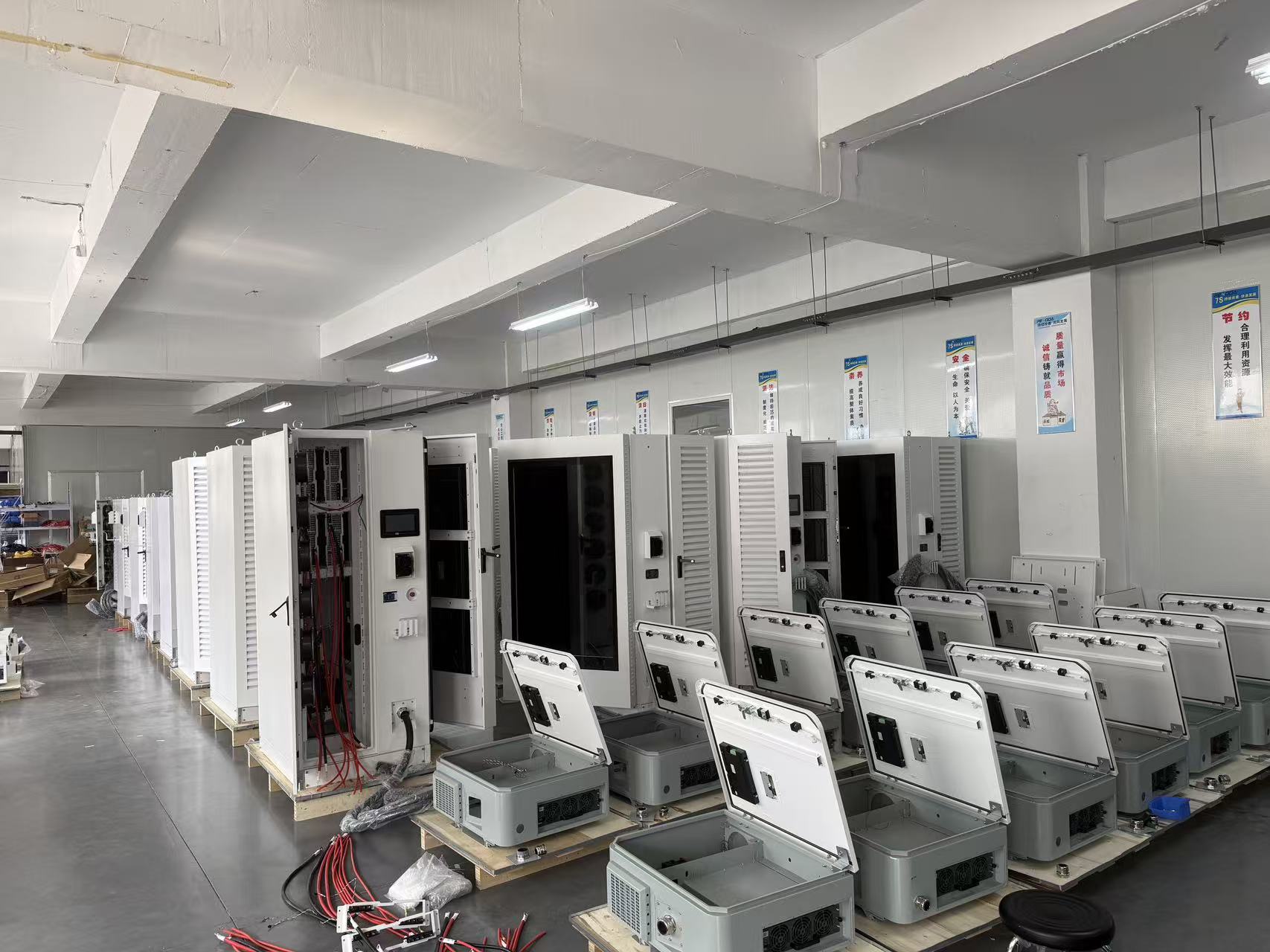
The equipment layout on the production floor reflects a strategic hierarchy of energy solutions:
Vertical High-Capacity Cabinets (Background): These units represent the "heavy lifters"—integrated C&I energy storage cabinets or high-power DC charging hosts. Engineered for high energy density, they are deployed in factories, data centers, and public charging hubs to facilitate peak shaving, load shifting, and dynamic grid stabilization.
Compact Outdoor Modules (Foreground): These units are the core of our
The surge in production for ESS and EV charging infrastructure is fueled by three critical market shifts:
Arbitrage via Time-of-Use (ToU) Pricing: As global utility markets refine peak/off-peak pricing, storage systems have evolved from "green mandates" into essential ROI-driven assets for cost optimization.
The 800V Revolution: The adoption of high-voltage platforms in EVs has shifted consumer demand from standard charging to ultra-fast replenishment, necessitating the rapid rollout of high-efficiency conversion modules.
Grid Resiliency: Under "Dual Carbon" targets, storage devices act as flexible loads, mitigating the impact of intermittent renewable energy on the grid.
Every unit at Penoda undergoes a rigorous manufacturing lifecycle, as evidenced by the "open-frame" and "cabling" stages visible in the production hall:
Advanced Thermal Management: The cabinet structures feature sophisticated airflow ducting. Given the harsh outdoor environments, our enclosures are rated for IP55 or higher, ensuring power electronics maintain peak performance from -30°C to +50°C.
High-Voltage Electrical Integration: The complex wiring harnesses represent the "nervous system" of the unit. Each connection point is subject to precise torque management and insulation resistance testing to eliminate electrical fire risks.
Intelligence Layers (BMS & EMS): Beyond the steel and copper, these systems run proprietary Battery Management Systems (BMS) and Energy Management Systems (EMS) that provide millisecond-level response times for safe and efficient power distribution.
Compliance & Interoperability: Every
The activity on our production floor is more than just manufacturing; it is the physical manifestation of the bridge between green power generation and sustainable power consumption.
At Penoda, we are committed to fortifying the global energy infrastructure. From individual module precision to full-scale system integration, we provide the hardware foundation for a more resilient and electrified future.
Have Questions Or Want To Partner With Us?
Reach Out.
Company Address: MAX Technology Park, Chengyang District, Qingdao, Shandong, China


